
Article: How to Identify Authentic Y2K Clothing: 2000s Tags, Labels & Dating
How to Identify Authentic Y2K Clothing: 2000s Tags, Labels & Dating
Y2K clothing covers one of the most varied periods in modern sportswear, streetwear and graphic fashion. At Vintage Rare USA, our dedicated Vintage Y2K & 2000s Clothing collection focuses on pieces dated or identified from 2000 through 2009, including Nike sportswear, Harley-Davidson dealer shirts, Adidas trackwear, Reebok jerseys, outdoor fleece, music graphics and early-2000s pop culture.
Y2K label examples from different garments
Authentication is strongest when the brand label, care label, country of origin, hardware and complete garment agree. These store-owned examples show how those clues vary across Nike sportswear, Rocawear and Coogi denim, and deadstock Rock Revival jeans. No single tag proves age or authenticity by itself.
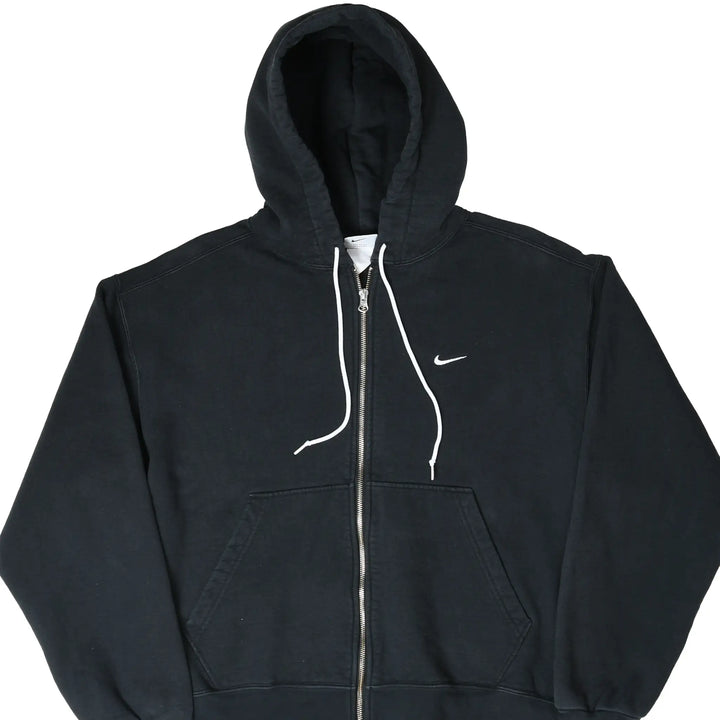
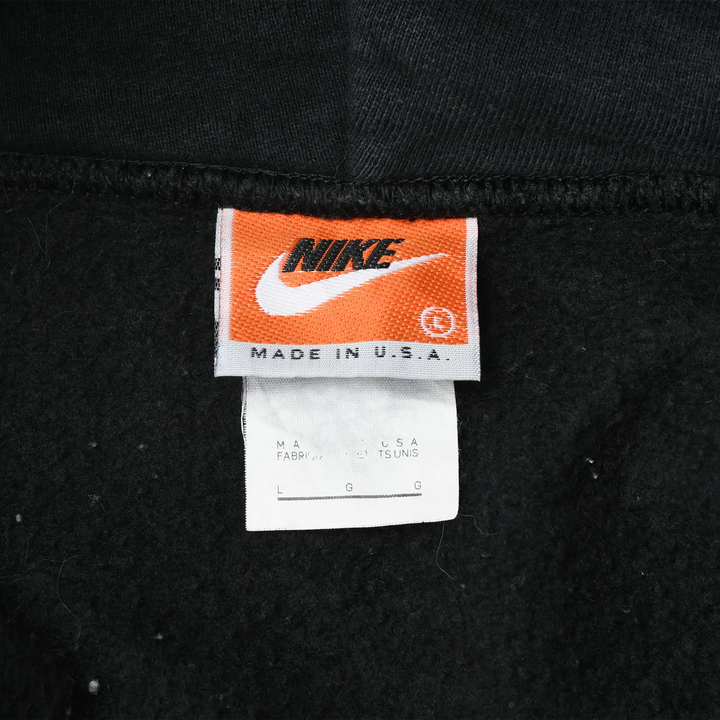
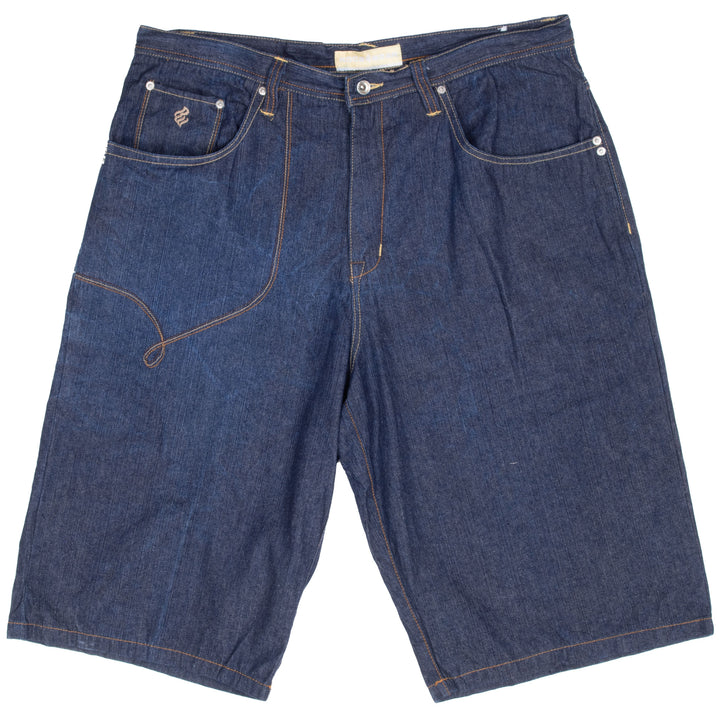
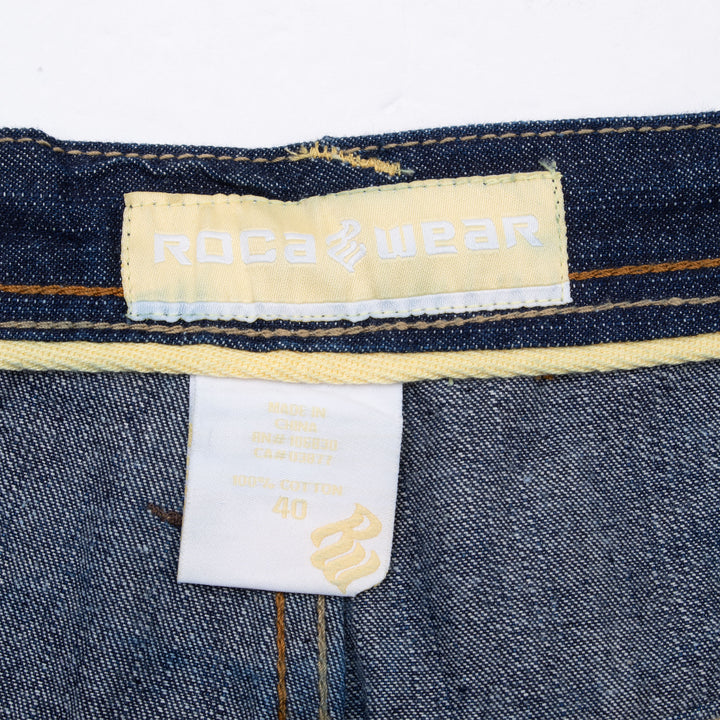
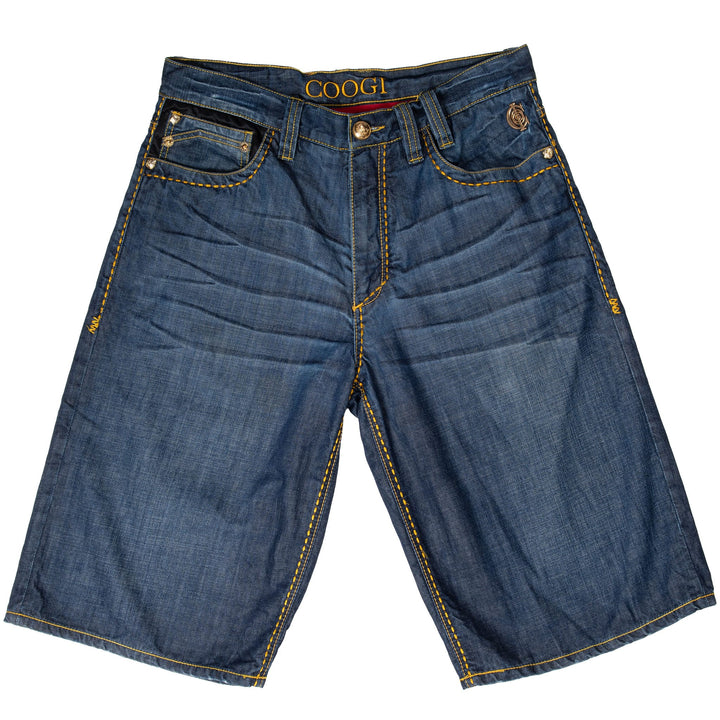
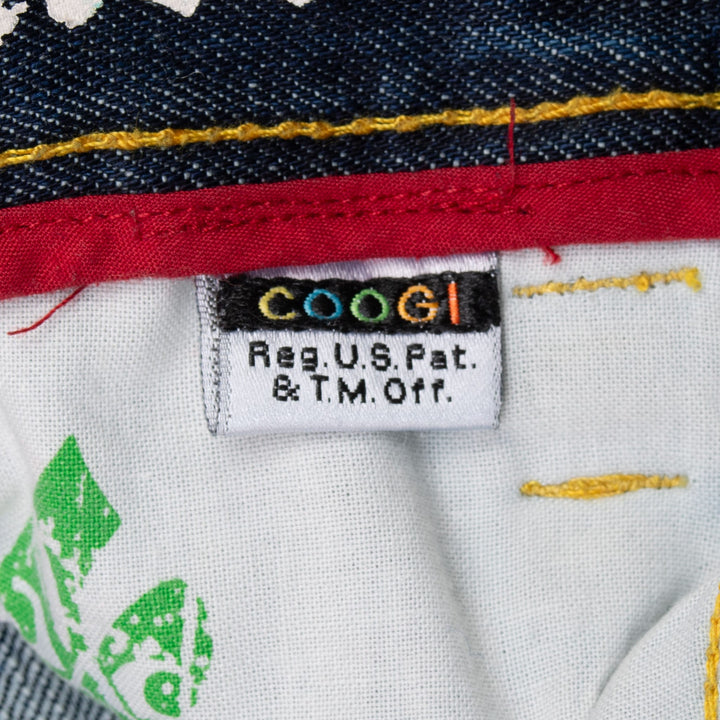
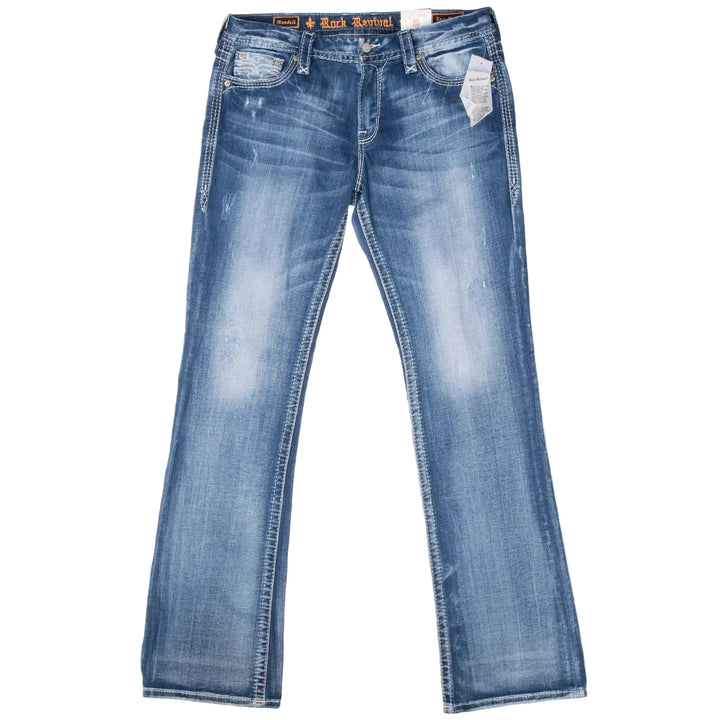
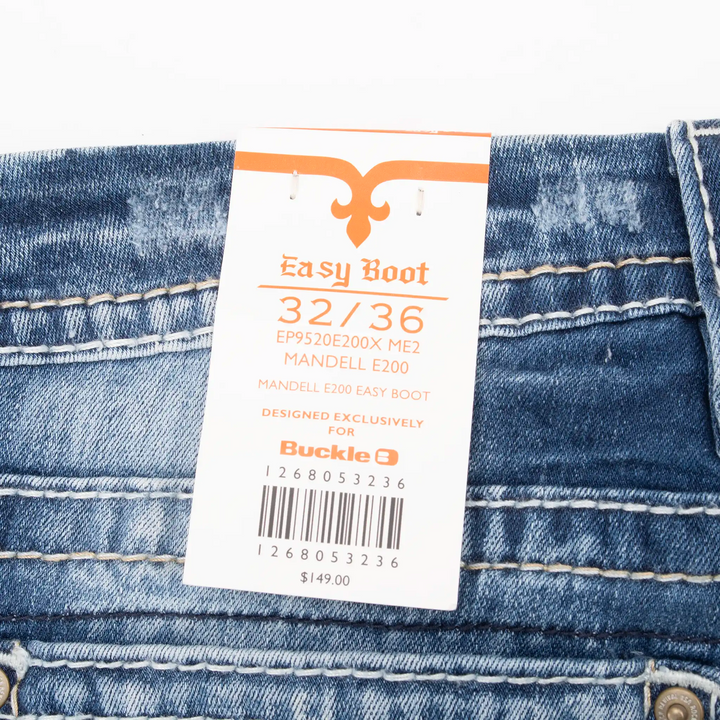
This guide explains how to examine labels, manufacturing details, graphics and construction before describing an item as Y2K or 2000s. No single tag, copyright date or stitch type proves an exact production year; the strongest identification comes from several details that agree.
Shop authentic Y2K and 2000s clothing
What does Y2K clothing mean?
“Y2K” originally referred to the transition into the year 2000, but fashion use has broadened. It can describe late-1990s and early-2000s design influences as well as clothing actually manufactured during the 2000s. Metallic details, bold logos, technical nylon, track styling, fitted tops, oversized sportswear, low-rise denim and internet-era graphics are often associated with the look.
Style and production date are not the same thing. A modern garment can use a Y2K-inspired design, while a simple Nike sweatshirt made in 2003 can be genuinely period-made without displaying every familiar Y2K trend. For shopping clarity, the Vintage Rare USA collection is organized primarily around garments identified as 2000–2009 rather than modern reproductions of the aesthetic.
Many collectors use “vintage” as a practical term for clothing around 20 years old or older. In 2026, pieces from 2000 through 2006 meet that common threshold; later-2000s pieces are better described precisely by year, era or “Y2K/2000s” until they reach the same age. Accurate dating is more useful than forcing every item into one label.
How to identify authentic 2000s clothing
1. Read every label
Photograph the neck label, care label, size label and any secondary product or licensing labels. Record the brand name, product line, country of manufacture, fiber content, washing instructions, RN or CA number, style code and factory information where present.
Compare the complete label set rather than relying on the logo alone. Brands changed tag suppliers, manufacturing countries and product lines at different times, and transitional labels can overlap.
2. Separate the graphic date from the garment date
A copyright year can identify when artwork, a tour, team championship or licensed character design was registered. It does not automatically prove that the shirt itself was manufactured in that same year. A later licensed reissue can retain an earlier date.
Check whether the garment’s labels, construction, fabric and licensing marks support the period suggested by the graphic.
3. Check construction and materials
By the 2000s, double-needle sleeve and bottom hems were common across mass-market T-shirts, although construction varied by maker and product line. Sportswear frequently used polyester mesh, technical nylon, fleece, embroidered logos, appliqué lettering and mixed-fabric panels.
Construction is supporting evidence, not a pass-or-fail test. A single-stitch hem does not automatically make an item older, and double stitching does not make it modern.
4. Use country of manufacture carefully
2000s clothing was produced across the United States, Mexico, Canada, Central America, Asia and Europe. “Made in USA” can add collector interest, but it does not authenticate an item by itself. Country information should make sense alongside the label design, fabric, brand and product category.
5. Compare measurements, not only the tagged size
Y2K sizing varies widely. A tagged large from one maker can fit differently from another brand’s large, and washing or wear can alter the original dimensions. Compare chest, length, shoulders, sleeves, waist, rise and inseam with a garment you already own.
Use our vintage clothing sizing guide and the measurements on each product page before purchasing.
Brand and category clues
Nike
Early-2000s Nike includes classic Swoosh sweatshirts, basketball apparel, running pieces, Windrunner-style jackets, Nike Air graphics and technical sportswear. Examine the complete neck and care labels, product codes, country of manufacture, embroidery and fabric. Nike label eras overlap, so use our Nike tag and label guide for a deeper comparison, then browse vintage Nike clothing.
Adidas
Adidas clothing from the period can feature the Trefoil, Performance logo, Equipment references, three-stripe track styling and football or training designs. Product codes, secondary labels and construction are especially useful when distinguishing period pieces from later retro releases. Compare examples in our Adidas tags and logo guide and shop vintage Adidas clothing.
Harley-Davidson and biker graphics
Harley-Davidson shirts often combine a front motorcycle or eagle graphic with a dealership, city or event design on the back. Record the dealer location, copyright and licensing lines, garment label and country of manufacture separately. Browse vintage Harley-Davidson clothing.
Sports jerseys and team apparel
Y2K sportswear includes NFL, NBA, MLB, NHL and college apparel from makers such as Reebok, Nike, Adidas, Champion, Starter and CCM. Identify the league marks, maker, player name and number, product line, size format and care labels. A historical team logo or championship year can appear on a later throwback, so date the garment—not only the subject.
For additional identification help, read our vintage sports clothing guide and browse vintage sports and college apparel.
Music, movies and graphic clothing
Tour dates, album artwork, film releases and character licenses provide useful historical reference points. Look for readable copyright lines, official licensing, original garment labels and print aging. Later reprints can reuse the same artwork, so the graphic must agree with the shirt itself.
Condition clues: authentic wear versus artificial distressing
Natural wear can include soft fading, minor print cracking, gentle collar wear, fabric thinning and small variations caused by washing. These details should be consistent across the garment. Perfectly repeated holes, symmetrical abrasion or distressing that does not match the fabric’s overall condition may indicate a later fashion treatment.
Condition does not determine authenticity by itself. An unworn deadstock item can be genuine, while a heavily distressed item can be modern. Always compare wear with labels, construction and provenance.
Y2K authentication checklist
- Do the neck and care labels belong to the same brand and period?
- Does the country of manufacture make sense for the garment?
- Are style codes, league marks or licensing details visible?
- Does the construction match the category and maker?
- Is a copyright year being used correctly—as evidence, not a production certificate?
- Do the fabric, print and wear patterns agree with the estimated date?
- Are complete measurements and condition details provided?
- Could the item be a later retro release or reproduction?
Frequently asked questions
Is every 2000s garment considered vintage?
Not under every definition. A common benchmark is approximately 20 years old. In 2026, clothing from 2000–2006 meets that guideline, while later-2000s pieces are more precisely described as Y2K, 2000s or archival until they reach the same age.
Does a 2001 copyright date prove a shirt was made in 2001?
No. It can date the artwork or license. Confirm that the garment labels, construction and other details support the same period.
Is Made in USA required for authentic Y2K clothing?
No. Genuine 2000s clothing was manufactured in many countries. Made in USA can be collectible, but it is only one part of the identification process.
Are all Y2K-style clothes actually from the 2000s?
No. Many contemporary brands reproduce early-2000s silhouettes, graphics and fabrics. Period production must be established from the garment itself.
Where can I shop authentic Y2K clothing?
Explore the Vintage Rare USA Y2K & 2000s collection. Every available piece is individually photographed, measured and described, and new one-of-a-kind vintage clothing is added every Friday at 6:00 PM Pacific.
Shop authentic Y2K and 2000s clothing
Browse Nike hoodies, Harley-Davidson shirts, Adidas trackwear, sports jerseys, outdoor fleece, music graphics and other one-of-a-kind pieces in our Vintage Y2K & 2000s Clothing collection.
Original research and garment observations by Vintage Rare USA. Product availability changes as one-of-a-kind pieces sell. Original photographs and editorial content © 2026 Vintage Rare USA.

Leave a comment
This site is protected by hCaptcha and the hCaptcha Privacy Policy and Terms of Service apply.